Surgical Orthodontics in Gretna, NE
Advanced Solutions for Complex Cases
What Is Surgical Orthodontics?
Understanding Surgical Orthodontics
Key Components of Surgical Orthodontics:
The Surgical Orthodontic Process
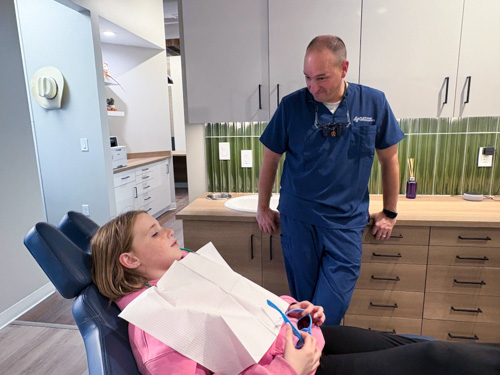
Initial Consultation and Evaluation
Clinical Examination
Thorough assessment of jaw function, bite, and facial symmetry
Functional Assessment
Analysis of chewing, speaking, and breathing function
A Comprehensive Journey
When Orthodontics Meets Surgery
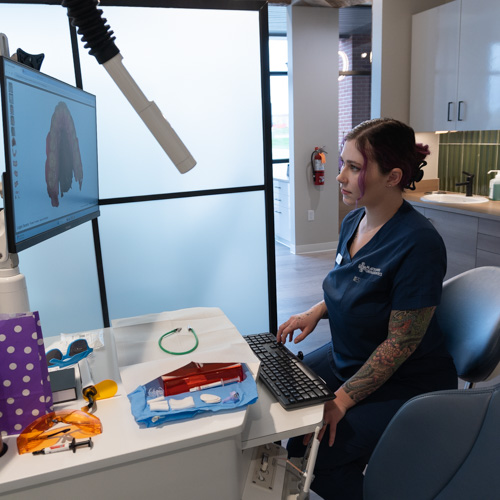
At Platte River Orthodontics, we use the most advanced diagnostic technology available to plan surgical orthodontic treatment. Our iTero® digital scanning system provides precise 3D models of your teeth, while advanced imaging techniques allow Dr. Carter to visualize jaw relationships and plan surgical movements with exceptional accuracy.
Advanced Diagnostic Tools
We use advanced technology—including 3D digital scanning, cone beam imaging, and specialized analyses—to create precise treatment plans tailored to each patient’s unique needs. These tools help us understand everything from jaw structure to facial symmetry and function for the best possible outcomes.
Pre-Surgical Orthodontics
Before jaw surgery can be performed, your teeth must be properly aligned within each jaw. This pre-surgical orthodontic phase, typically lasting 12-18 months, positions your teeth so that they will fit together properly after the jaws are repositioned.
Post-Surgical Recovery and Care
Dr. Carter provides comprehensive post-surgical care, monitoring your healing and ensuring that your orthodontic treatment progresses appropriately. His experience with surgical cases and his attention to detail help ensure optimal healing and results.
Orthodontic Surgery Treatments in Gretna, NE
Conditions Treated with Surgical Orthodontics
Class II Skeletal Problems (Overbite/Overjet)
When the upper jaw is too far forward or the lower jaw is too far back, patients may experience difficulty chewing, speech problems, and increased risk of dental trauma. Surgical correction can dramatically improve both function and appearance.
Class III Skeletal Problems (Underbite)
When the lower jaw is too far forward or the upper jaw is too far back, patients often have difficulty with chewing and may experience TMJ problems. Surgical correction can restore proper jaw relationships and improve facial balance.
Vertical Jaw Discrepancies
Problems with jaw height can cause open bites, deep bites, or facial asymmetry. Surgical correction can establish proper vertical relationships and improve facial proportions.
Asymmetric Jaw Growth
When one side of the jaw grows differently than the other, facial asymmetry and functional problems can result. Surgical correction can restore facial symmetry and proper jaw function.
Platte River Orthodontics - Gretna, NE
Ready to Start Your Journey to a More Confident Smile?
Your new smile is just a consultation away. Contact us today to schedule your complimentary Invisalign consultation. Our team will be happy to answer your questions, discuss your treatment options, and help you take the first step towards the beautiful, healthy smile you deserve.